Video Production Cost in Los Angeles
How Much Does Video Production Cost in Los Angeles
The question everyone asks and almost no one answers properly
If you've attempted to determine the cost of video production in Los Angeles, you've undoubtedly encountered a wide range of figures.
$3,000
$15,000
$100,000+
That range is not helpful. It creates confusion, not clarity.
The reason is simple.
Most people are asking the wrong question.
Video production is not a fixed product with a fixed price.
It is a combination of strategy, execution, and distribution.
Once you understand that, the pricing starts to make sense.
What video production actually costs in Los Angeles
Here is a realistic breakdown based on our experience and how projects are actually scoped in the market.
Small projects
$3,000 to $7,000
Short-form content, minimal crew, simple execution
Mid-level productions
$10,000 to $25,000
Stronger creative, professional crew, multi-use content
High-end commercial work
$25,000 to $100,000+
Full campaigns, multiple shoot days, advanced post-production
Large-scale campaigns
$100,000 to $500,000+
National-level work with full teams, casting, and distribution planning
These numbers are not random. They reflect the level of thinking, resources, and execution behind the work.
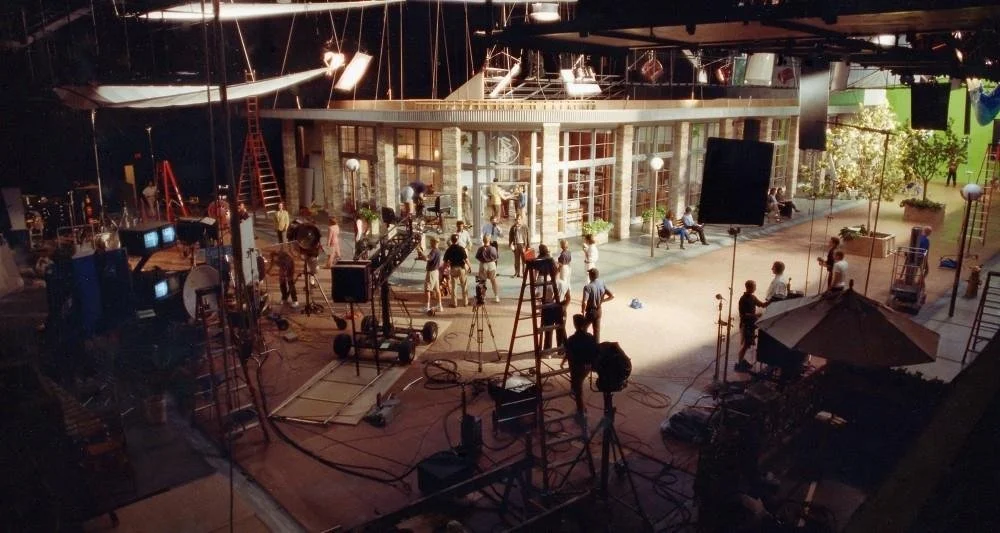
Why two quotes can be completely different and both be right
You can get two proposals for the same idea.
One is $8,000
The other is $30,000
Both can be valid.
Because they are not selling the same outcome.
One is selling production.
The other is selling impact.
This is the first distinction serious brands understand.
The three layers that determine your cost
Every project is built on three layers. If you understand these, you understand pricing.
1. Pre-production
This is where the outcome is decided before anything is filmed.
It includes:
Concept development
Messaging
Scriptwriting
Planning and logistics
Typical range: $2,000 to $15,000+
This is the part most people try to minimize. It is also the part that determines whether the final video performs or gets ignored.
2. Production
This is the execution phase.
It includes:
Director and cinematographer
Camera, lighting, and sound
Crew and on-set operations
Locations and permits
Costs scale quickly here.
A small crew might cost a few thousand per day.
A full production team can reach tens of thousands per day depending on complexity.
3. Post-production
This is where the raw footage becomes a finished piece.
It includes:
Editing
Color grading
Sound design
Motion graphics
Typical range: $2,000 to $10,000+
This is where the difference between average and premium becomes obvious.
What actually drives the price
In the Los Angeles market, your budget isn't a random number, it is a reflection of five specific logistical levers. By adjusting these, we can align the production's "horsepower" with your business goals.
1. Total Production Scope
This is the single most influential factor in your quote.
The Reality: Moving a crew from a downtown loft to a Santa Monica beach in one day isn't just about travel time; it’s about "company moves," re-setting lights, and additional parking logistics.
The Value Point: Consolidating to a single, versatile location or extending to a second shoot day can often be more cost-effective than trying to "squeeze" too many locations into a single, frantic 12-hour window.
2. The Architecture of Your Crew
A lean team offers speed; a larger team offers precision.
The Reality: In LA, specialized roles (like a dedicated Digital Imaging Technician or a Grip) ensure the footage is backed up and the lighting is cinematic.
The Value Point: While a "lean" team of three can execute fast, a team of seven allows for the sophisticated lighting and camera movements that make a brand look like a market leader. It’s the difference between "capturing a scene" and "creating a vision."
3. On-Screen Talent & Presence
Who carries your message on camera determines both the feel and the legal longevity of the video.
The Reality: Using your own team keeps "day rates" low, but professional SAG-AFTRA or experienced non-union actors bring a level of performance that can cut your editing time in half because they "get the take" faster.
The Value Point: Professionals bring an "emotional resonance" that is hard to coach. If your video relies on a story, the investment in a trained actor usually pays for itself in the final impact.
4. Creative & Narrative Complexity
Simple formats (like a "talking head") are budget-friendly, but story-driven content requires more "pre-viz."
The Reality: High-concept videos involving stunts, specialized props, or heavy motion graphics require more hours in Pre-Production.
The Value Point: This "thinking time" is what prevents expensive mistakes on set. A well-planned, complex story often feels "effortless" to the viewer, which is exactly why it holds their attention.
5. Local Logistics & The "LA Standard"
Filming in Los Angeles requires a level of compliance that smaller markets often ignore.
The Reality: Between FilmLA permits (starting at $931), mandatory Safety Officers, and specialized Production Insurance, the baseline for a legal, professional shoot in LA is higher.
The Value Point: You are buying "legal certainty." In a city where every street corner is a potential set, having the right paperwork ensures your production isn't interrupted, protected from liability, and welcomed back by the community.
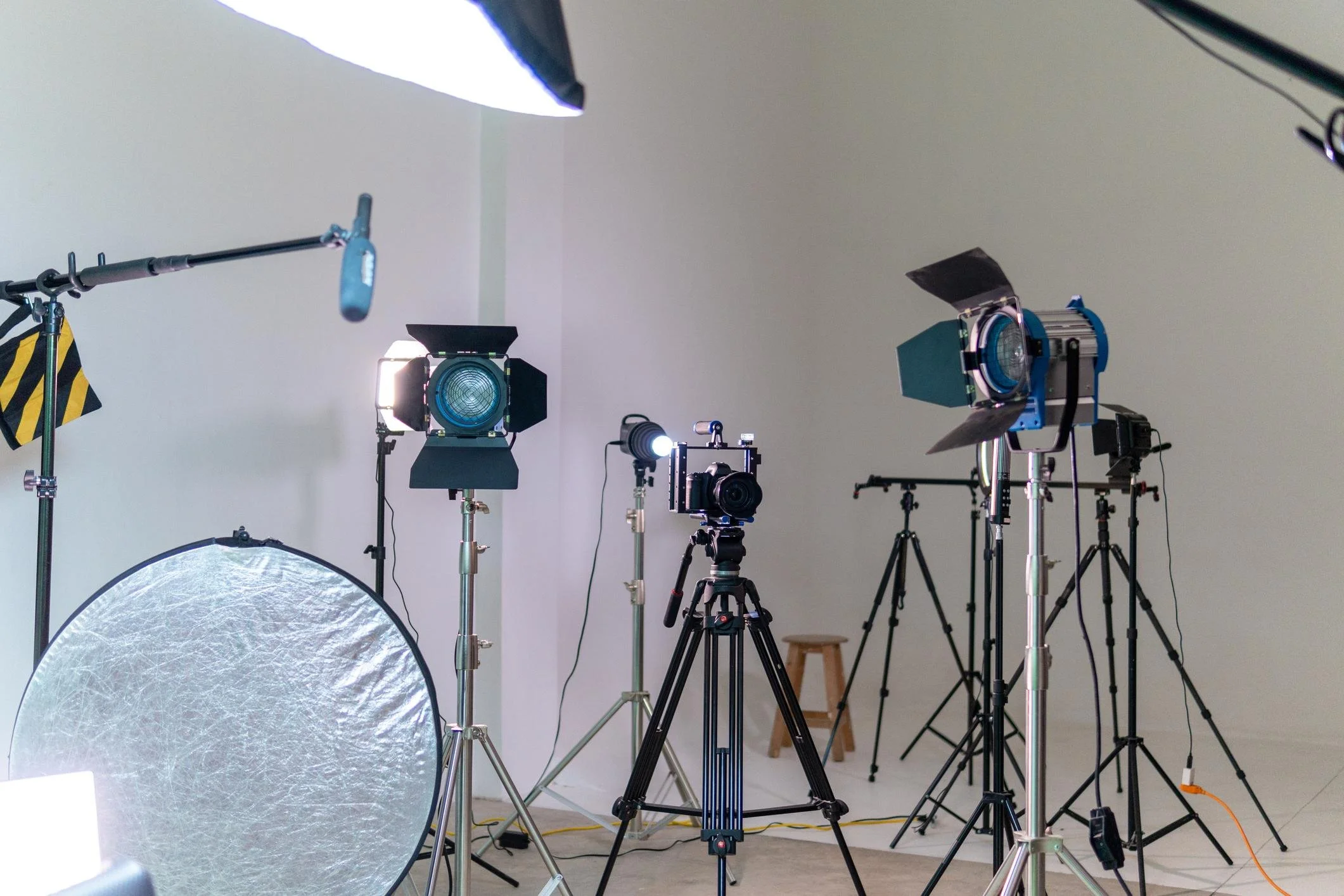
Why Los Angeles Costs More (And Why That’s Your Secret Weapon)
If you’re filming in Los Angeles, you’ve likely noticed the numbers look different here than in other markets. It’s true. LA carries a premium. But in the world of high-stakes video, "cheaper" often ends up being more expensive in the long run.
Here is why the Los Angeles price tag exists and why it is actually an investment in your project’s success.
1. The World’s Deepest Talent Pool
In LA, you aren’t just hiring a "camera operator", you are hiring specialists who work on global campaigns and Oscar-winning sets.
The Data: Los Angeles has the highest concentration of film professionals in the world. As of 2026, union-standard day rates for a Director of Photography often start around $1,200–$2,500+, while a specialized Gaffer or Key Grip averages $600–$900 per day.
The Plus Point: You get "The LA Finish." This crew works faster, anticipates problems before they happen, and brings a level of polish that is impossible to replicate with a generalist team in a smaller market.
2. Access to Tier-One Infrastructure
Los Angeles is the hardware capital of the industry. Whether you need a specific vintage anamorphic lens or a heavy-duty camera drone, it’s available five minutes away.
The Data: Local equipment rental houses offer the latest tech, but demand keeps prices firm. A professional camera package (like an ARRI Alexa 35) typically scales from $1,500 to $3,500 per day depending on the glass.
The Plus Point: Zero shipping delays and no "making do" with sub-par gear. We use the exact tools required to make your brand look world-class, not just "good for the budget."
3. The Professional Standard: Permits & Insurance
LA is a "film-first" city, which means everything is regulated to protect the production and the public.
The Data: A standard FilmLA permit for a motion shoot starts at $931 (as of 2025/26), and certain high-demand areas may require a Fire Safety Officer (approx. $125/hr).
The Plus Point: Total peace of mind. When you pay for the proper permits and LA-grade production insurance, your shoot is "bulletproof." You’ll never have a set shut down by authorities or face a liability nightmare. It’s the cost of doing business at the highest professional level.
4. The Industry "Baseline"
In other cities, "professional video" might mean a one-man band with a tripod. In LA, the baseline is much higher because the audience's expectations are shaped by the content created right here in Hollywood.
The Data: Labor costs in California are influenced by a higher cost of living and a minimum wage that rose to $16.90/hr in 2026. This trickles up through every department, from PAs to Editors.
The Plus Point: You are buying into an ecosystem of excellence. When your video sits next to a competitor’s on YouTube or a streaming platform, the "LA difference" is what makes your brand look like the authority in the room.
You are paying for certainty, not just a city. The expertise, legal protections, and top-notch equipment that guarantee your project doesn't just get done but produces results are all covered by the higher cost in Los Angeles.
A better way to think about budget
Most people start with: "How cheap can we do this?" That is the wrong frame.
The better question is: "What role will this video play in our growth?"
In video production, the most expensive project is the one that has to be shot twice. By investing in the Los Angeles ecosystem, you are effectively buying insurance against mediocrity.
When you spend more in LA, you aren't just paying for higher rent or permit fees; you are paying for velocity and precision. A world-class crew works faster, meaning you get more "setups" (different shots) per hour. A specialized editor doesn't just cut clips; they craft a narrative that holds attention in an economy where attention is the scarcest resource.
Practical Examples of the LA Difference
Here is how that "higher cost" translates into actual deliverables:
The $15,000 "Mid-Level" Brand Film:
Outside LA: You might get a high-quality "about us" video shot by a talented generalist.
In LA: You get a specialized Director and a dedicated Sound Mixer. The result? A film that sounds like a movie and looks like a national TV spot. You can use this for two years across every platform you own.
The $50,000+ "Growth Asset":
The LA Advantage: This budget gives you access to union-grade talent and Tier-1 studios.
The ROI: This isn't just a video; it’s a library of assets. One high-end shoot in LA can yield a 60-second hero film, five 15-second social ads, and a dozen high-res stills. Because the lighting and art direction were handled by experts, every single frame is a "salesperson" for your brand.
If a $5,000 video gets 1,000 views but zero conversions, it was an expensive mistake. If a $20,000 Los Angeles-produced film builds enough trust to close one major client or 500 new customers, it’s the most profitable employee you’ve ever hired.
Red Flags: When "Cheap" Costs Too Much
While you always aim for efficiency, some quotes are low because they cut corners that put your brand at risk. Watch out for these four indicators:
No Permit or Insurance Mentioned: If a producer says "we'll just shoot guerrilla-style" in LA, they are risking a total shutdown by authorities. Professional teams include FilmLA permitting and liability insurance as a baseline.
Vague Equipment Lists: "Professional 4K camera" is not a spec. A serious LA partner will list specific high-end tools (like ARRI or RED) that ensure your footage meets broadcast or streaming standards.
Lack of Pre-Production: If they want to start filming tomorrow without a detailed storyboard or shot list, you are paying for chaos. In LA, pre-production is 70% of the work.
Suspiciously Low Revision Caps: Low-cost providers often lure you in with a small fee but charge heavily for the "hidden costs" of music licensing, post-production editorial, or basic changes.
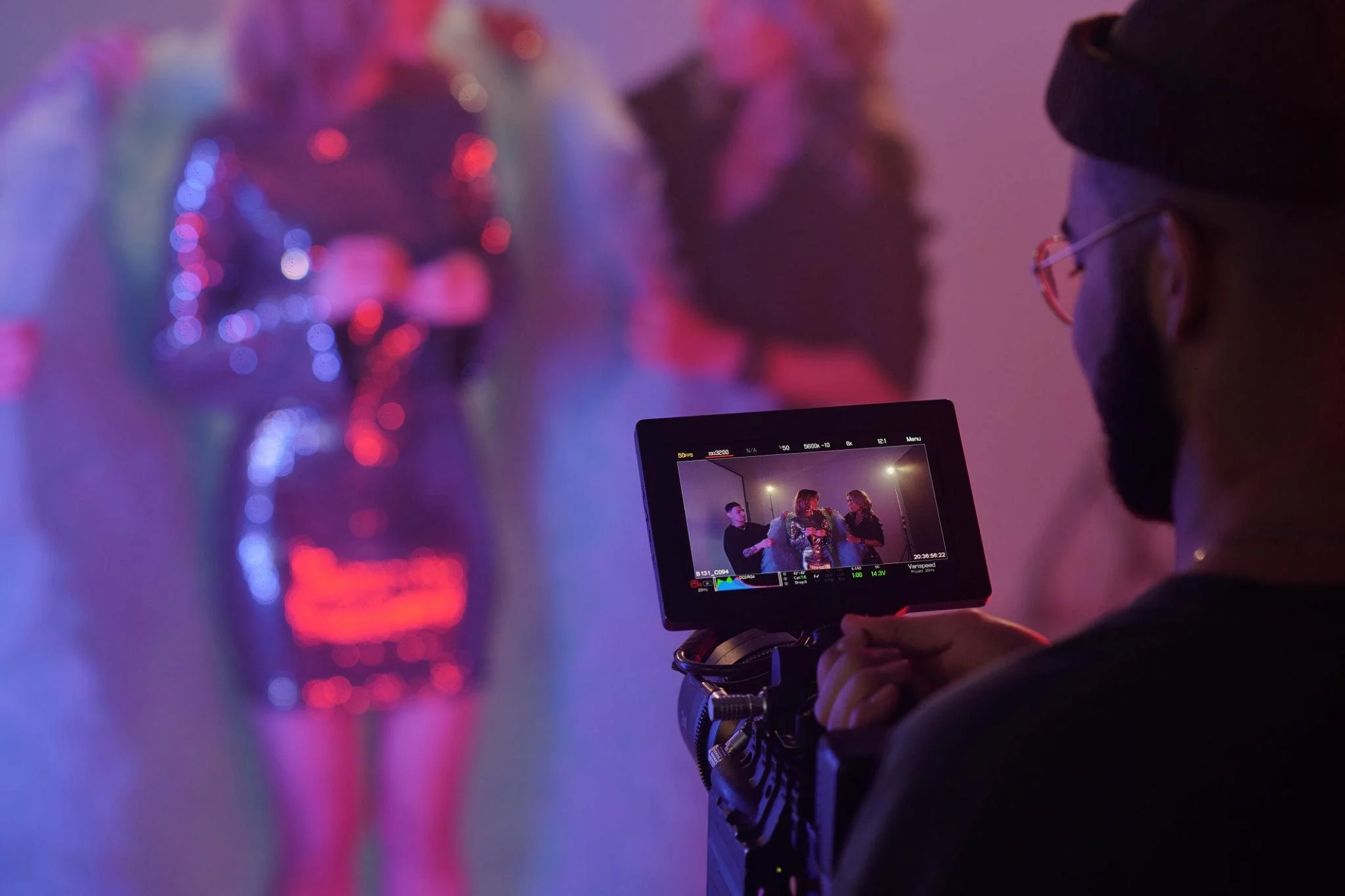
The "Cost Per Minute" Myth: Why Length is a Distraction
In many industries, you pay by the quantity. In video production, especially in the high-stakes Los Angeles market, quantity is the most misleading metric you can use.
You may see industry averages cited between $1,000 to $5,000 per finished minute. While this can be directionally useful for a basic internal training video, it completely falls apart when applied to high-impact marketing.
Complexity Over Chronology
In reality, a 30-second commercial can easily cost five times more than a 5-minute corporate interview.
Why? Because costs aren't driven by the clock; they are driven by complexity and intent.
The 5-Minute Video: Might involve one camera, one location, and a straightforward edit. It’s informative, but its job is simple: to explain.
The 30-Second Commercial: Might require 15 distinct shots, professional color grading, licensed sound design, and a Tier-1 crew to ensure every frame looks like a million dollars. Its job is much harder: to stop a scroll and trigger a purchase.
The "Precision" Premium
In Los Angeles, we specialize in precision. When you shorten a video, the "cost per second" actually goes up because the density of quality must increase. You are paying for:
Faster Pacing: More cuts and more visual variety to keep modern audiences engaged.
Higher Polish: When a viewer only gives you 15 seconds, every pixel must be perfect.
Strategic Impact: Distilling a brand's entire essence into a half-minute requires more "brain power" in pre-production than letting a CEO talk for ten minutes.
Don't measure your budget by the length of the file. Measure it by the weight of the impact. A lean, high-velocity 60-second asset will almost always outperform a sprawling, low-budget 10-minute video.
The hidden costs most people miss
This is where projects usually go off track. If these aren't defined in your initial scope, your "all-in" price can suddenly feel like a down payment. In the Los Angeles market, these "hidden" line items carry professional-grade price tags.
1. Intellectual Property & Licensing
Many assume that once a video is filmed, every element within it is owned outright. In reality, elements like music are bound by Usage Scopes.
The Reality of Scaling: Using a basic track for a local website is affordable, but moving that same video to a national ad placement requires a different tier of legal clearance. Utilizing a "royalty-free" track for a high-reach campaign without the correct "Commercial" or "Broadcast" license can lead to significant retroactive fees.
The Numbers: While a simple web license might be $50–$250, securing a "perpetual, worldwide, all-media" license for a premium brand film typically starts at $1,500 and can scale significantly based on the track's profile.
2. Talent Agreements and "Buyouts"
In a talent-dense hub like LA, you aren't just paying for an actor’s presence on set; you are paying for the right to distribute their likeness.
The Long-term Impact: If you hire a professional for a 1-year digital campaign but leave the video live for three years, you may be liable for "usage renewals." Without a "Buyout" agreement, you are essentially leasing the performance.
The Numbers: Securing "In Perpetuity" rights (owning the footage forever) usually adds a premium of 50% to 100% to the talent’s initial day rate. Addressing this on day one prevents expensive surprises two years later.
3. Post-Production Evolution
Every project includes a defined path for "rounds" of feedback. However, changing the fundamental direction late in the process creates a ripple effect.
The Technical Ripple: Swapping a single interview clip isn't just a "quick cut." It often requires re-balancing the color grade, re-mixing the audio levels, and re-exporting multiple technical versions.
The Numbers: In LA, a professional edit suite and senior editor carry a day rate of $1,000–$1,800. Ensuring the script is "locked" before editing begins protects the budget from these compounding daily costs.
4. Deliverable Optimization (The "Platform Tax")
In today’s market, one video is actually four. You need a 16:9 version for YouTube, a 9:16 for TikTok, and specific crops for Instagram.
The Framing Challenge: High-end vertical video isn't just a "crop." It requires a manual "Pan and Scan" process where an editor ensures the subject remains centered and that graphics are repositioned so they aren't covered by "Like" and "Share" buttons.
The Numbers: Custom-formatting a "Hero" video for multiple social platforms typically accounts for an additional 15% to 25% of the post-production budget.
5. Technical Infrastructure & Data
The higher the quality of the image, the larger the digital footprint.
The Storage Reality: Modern cinema cameras (like the ARRI Alexa) generate massive amounts of data. This requires high-speed "shuttle drives" for the set and redundant cloud backups to ensure your footage is never lost.
The Numbers: For a professional shoot, expect roughly $300–$600 dedicated solely to Media Management and secure data storage for your raw assets.
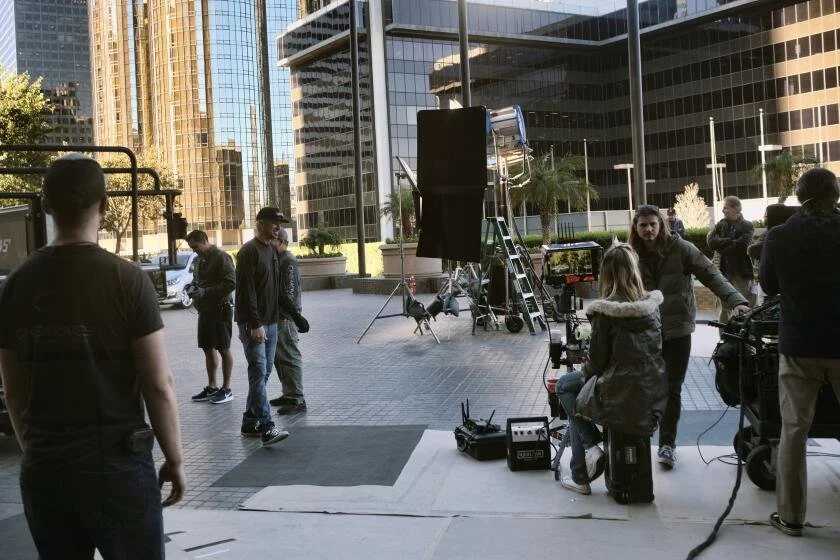
The Mistake That Costs Brands the Most
The most expensive video isn’t the one with the highest quote, it’s the one that fails to perform.
The biggest pitfall for many brands is choosing a partner based on price instead of outcome. A lower-cost video might look "acceptable" on a technical level, but if it doesn't align with your audience’s psychology, it becomes a sunk cost.
In the Los Angeles market, the difference between a "budget" shoot and a well-structured project is the intent behind every frame. A high-performing video is engineered to:
Command Attention: Breaking through the digital noise in the first 3 seconds.
Communicate with Clarity: Removing the friction between your message and the viewer.
Drive Decisive Action: Moving the needle on your specific business KPIs.
That strategic edge is where the real return on investment lives.
What to Expect from a Serious Production Partner
When you invest in an LA-based production, you are paying for more than just "someone with a camera." You are hiring a strategic ally. At a minimum, a professional partner should provide:
Deep Thinking Before Execution: A focus on the "why" before the "how."
A Standardised Process: A transparent roadmap from the initial concept to final delivery.
Business Goal Alignment: Ensuring every creative choice serves your bottom line.
Utility-First Content: Assets built for real-world application, not just for a portfolio presentation.
Anything less, and you are paying for activity, not results.
The Shift from Expense to Asset
Video production in Los Angeles is not cheap. But when executed correctly, it is not an expense, it is a capital asset.
A high-quality brand film or commercial continues to work for you 24/7, long after the final invoice is paid. It builds trust, scales your message, and positions your brand at the top of its category.
If you are planning a project, start with clarity:
What specifically do you want this video to achieve?
Where exactly will it be deployed to reach your audience?
What level of impact is required to outpace your competition?
Once those answers are clear, the budget stops being a barrier and starts becoming a tool to build your future growth.
Ready to Build Something That Performs?
If you are considering commercial video production, brand films, or high-impact content in Los Angeles, the next step is a conversation centered on your goals and production company that know ins and outs, not just a gear list.
Book a call or fill the form below and we will map it out with you.
Let Us Take Care of Production and Cost Strategy
Finding video production cost in Los Angeles doesn't have to be a guessing game. At Junction Lads we build a strategic roadmap to ensure your investment translates into visual masterpiece that bring results.
Contact Caleb Harris and the team today for a transparent, detailed breakdown of how we can bring your vision to life with the professional "LA Finish" your brand deserves.